
Why is A2 Gir Cow Ghee So Expensive? The Truth Behind the ₹3000 Price Tag
If you’ve been shopping for Ghee recently, you’ve probably noticed a massive price gap. On one shelf, you see a famous brand selling a jar for ₹600. On the other, you see a jar of Authentic A2 Gir Cow Bilona Ghee priced nearly ₹3000.
Your first thought is probably: “Is this just a marketing gimmick? Is the ₹3000 ghee really five times better?”
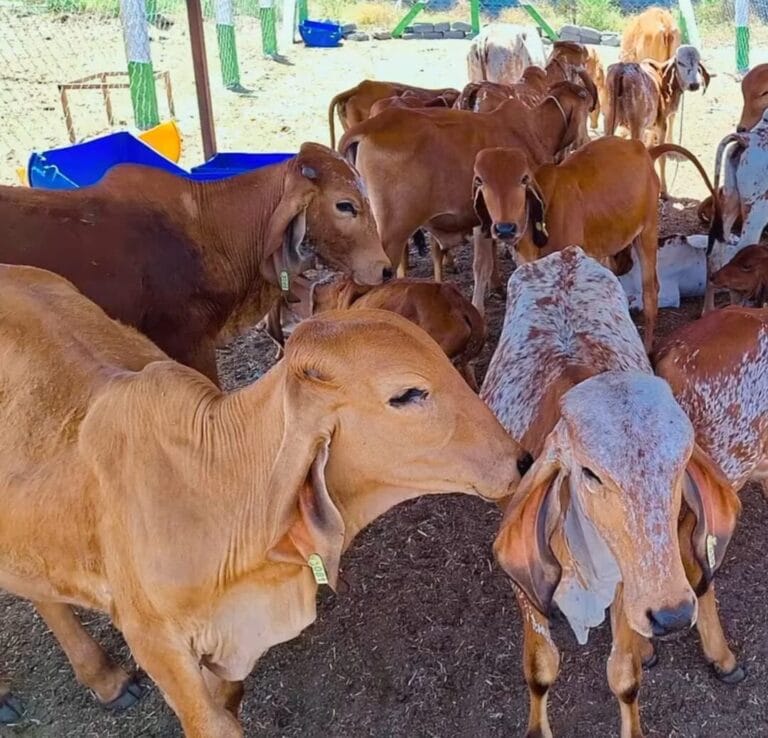
As someone who runs Dev Gir Farm and lives among the cows, I want to pull back the curtain. I want to explain why that ₹600 jar is actually the “expensive” one when you consider your health, and why ₹3000 is the honest price of purity.
1. The "Milk Math" That Doesn't Lie
Let’s look at the raw numbers. To make just one kilogram of authentic Bilona Ghee, we need between 25 to 30 liters of pure A2 milk.
Now, do the math with me:
A healthy Gir Cow, raised with love and fed natural fodder, produces limited milk.
If the cost of 1 liter of pure A2 milk is roughly ₹70 to ₹90, the cost of the milk alone for one jar of ghee is ₹1,750 to ₹2,700.
This doesn’t even include the cost of the wood fire (Chulha), the glass packaging, the labor, or the electricity.
The Big Question: If a company sells you Ghee for ₹600, how are they doing it? They aren’t. They are likely using “White Butter” (a byproduct of the milk industry), using high-speed machines that strip away nutrients, or mixing in cheaper vegetable fats.
2. The Soul of the Process: Bilona Gir Cow Ghee vs. Industrial
At Dev Gir Farm, we don’t believe in “processing” milk. We believe in “culturing” it.
Most commercial ghee is made by spinning cream at high speeds in a centrifuge. It’s fast, it’s cheap, and it’s dead.
Our Bilona method is a 5,000-year-old Vedic ritual:
The Milk is Boiled: Slowly.
The Curd is Set: We turn the milk into curd overnight.
The Manual Churning: We use a wooden churner (Bilona) to swirl the curd back and forth until the butter (Makhan) separates.
The Slow Simmer: That butter(Makhan) is then heated until the golden liquid remains.
This process is slow and exhausting. But it’s the only way to keep the Butyric Acid and CLA (Conjugated Linoleic Acid) intact—the things that actually make Ghee a medicine for your gut and heart.
3. The Ethical Cost (The Calf’s Share)
In big factories, cows are treated like milk-producing machines. Calves are often separated so that every drop of milk can be sold.
At our farm, we follow the “Dohana” principle. The first two parts of the milk belong to the calf. Only after the calf is full do we take the remaining milk for our Ghee. When you buy ₹3000 ghee, you are paying for a system that respects the cow and her child. You are buying “Ahinsa” (non-violent) energy.
4. Is the ₹600 Ghee Actually "Cheaper"?
Think about this: You buy cheap ghee to save ₹2,400. But that ghee is loaded with A1 proteins (which cause inflammation), hidden preservatives, and empty fats. Over time, this leads to cholesterol issues, poor digestion, and low immunity.
When you buy Dev Gir A2 Ghee, you are buying:
Better brain health for your children.
Lubrication for your joints as you age.
A natural detox for your digestive system.
You can pay the farmer today for pure food, or the hospital tomorrow for medicine. The choice is yours.
5. My Promise to You
I know ₹3,000 is a lot of money. I know because I see how hard people work for it. But I would rather close my farm than sell you a compromised product. Every jar of Dev Gir Farm Ghee is made as if it were for my own family.
It smells like the village. It tastes like tradition. It feels like home.
This article is written from real on-farm experience at Dev Gir Farm, where cows are raised ethically and ghee is made traditionally for our own family before selling.

Frequently Asked Questions
Why is A2 Gir Cow Ghee so expensive?
Authentic A2 Gir Cow Ghee is expensive because it requires 25–30 liters of pure A2 milk for just 1 kg of ghee, is made using the slow Bilona method, and follows ethical cow-calf practices. Cheap ghee skips these essentials.
Is ₹3000 A2 Gir Cow Ghee worth the price?
Yes. Real A2 Bilona Ghee supports digestion, brain health, immunity, and joint lubrication. You are paying for purity, nutrition, and ethical farming—not marketing.
What is the difference between Bilona ghee and factory ghee?
Bilona ghee is hand-churned from curd using a wooden churner, preserving nutrients like Butyric Acid and CLA. Factory ghee is made by machine centrifuges, often using cream or butter blocks, which reduces nutritional value.
How can I identify pure A2 Gir Cow Ghee?
Pure A2 ghee has a grainy texture, strong natural aroma, melts slowly, and comes from Gir cows only. Always check sourcing, milk usage, and whether the Bilona method is followed.
Is cheap ghee harmful for health?
Many low-priced ghees contain A1 milk fat, white butter, or vegetable fats, which may cause inflammation, digestion issues, and long-term health problems.
Why does Dev Gir Farm ghee cost more than brands?
Dev Gir Farm follows calf-first milking, Bilona preparation, packaging, and small-batch production. No shortcuts, no compromises.